
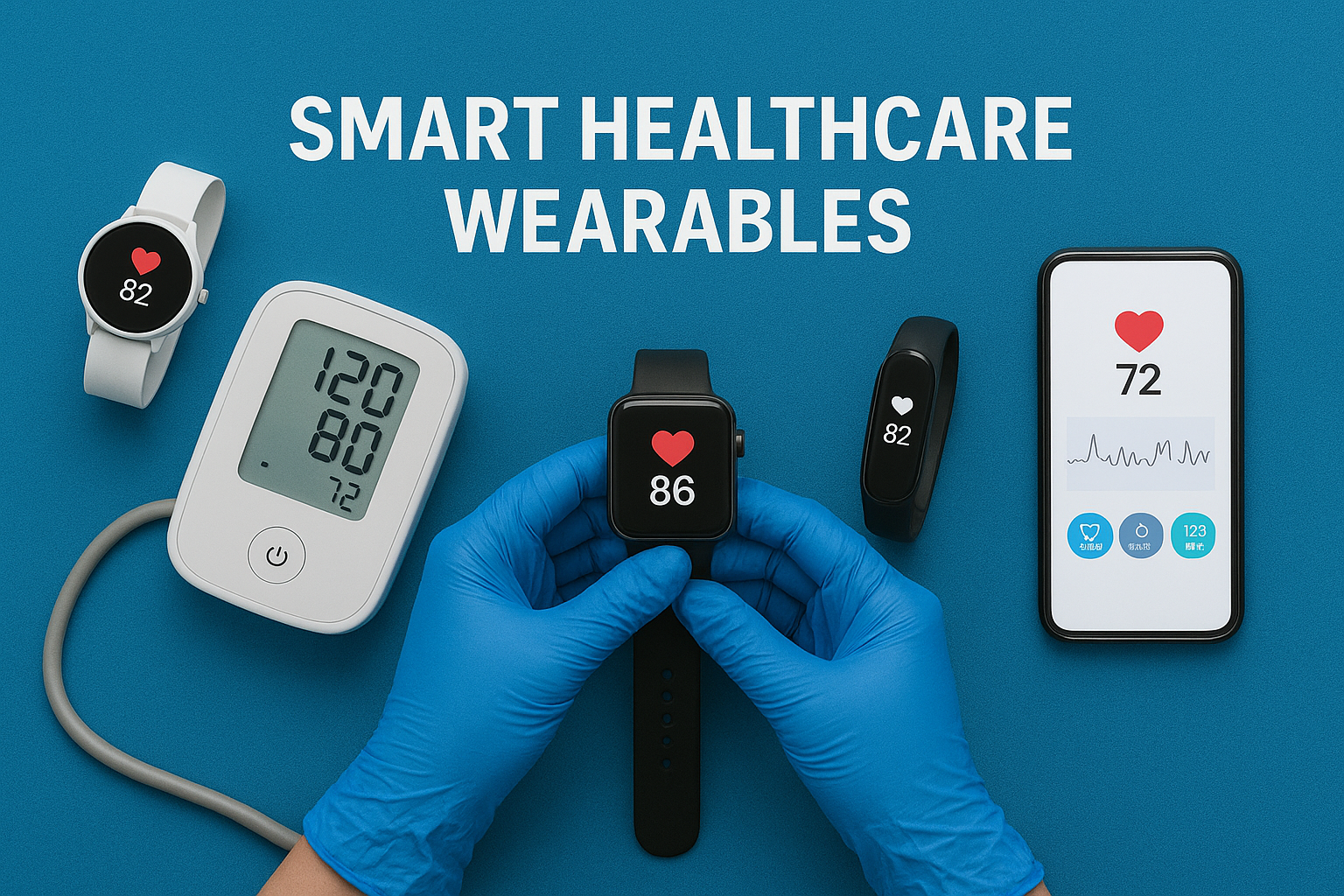
In today’s fast-paced world of healthcare, timely and accurate information is the key to saving lives. Patient Monitoring Devices serve as the extended arms of healthcare professionals, playing a vital role in the continuous collection of patients’ physiological data. These devices are no longer limited to intensive care units (ICUs) and are now widely used in hospitals, clinics, and even homes. This article explores the importance, types, and modern technologies in patient monitoring, helping you make the best choice for your needs.
Types of Monitoring Devices and Their Applications
Patient monitoring devices can be categorized based on the parameters being tracked and the environment of use:
-
Vital Signs Monitoring: The most common type, continuously measuring essential parameters such as heart rate (ECG), blood oxygen levels (SpO2), blood pressure (NIBP), body temperature, and respiratory rate. These devices are typically bedside monitors that trigger alarms when parameters deviate from normal ranges.
-
Hemodynamic Monitoring: More specialized devices measuring cardiac output, arterial pressure, and other cardiovascular parameters, often used in operating rooms and ICUs.
-
Neurological Monitoring: Used to monitor brain electrical activity (EEG) and intracranial pressure, essential in neurology departments and neurosurgery.
-
Remote Monitoring: This emerging technology allows patients to measure vital signs at home using wearable or portable devices, with data transmitted wirelessly to physicians. It has transformed chronic disease management.
Emerging Technologies and the Future of Monitoring
Advances in technology have brought forth a new generation of monitoring devices:
-
Connectivity and IoT: Modern monitors can connect to hospital networks (HIP) and hospital information systems (HIS). This integration enables automatic data storage in electronic health records (EHR) and remote access for physicians.
-
Artificial Intelligence (AI) and Predictive Analytics: AI algorithms can detect complex patterns in data and predict critical events such as sepsis or cardiac arrest hours before they occur. These “smart alerts” reduce false alarms and enable early interventions.
-
Miniaturization and Wearables: Advances in small, low-power sensors have led to compact, non-invasive, and comfortable devices. From reusable ECG patches to medical smartwatches, these solutions allow for long-term and mobile patient monitoring.
Conclusion
Patient monitoring devices are a cornerstone of modern healthcare systems, significantly enhancing diagnostic accuracy and quality of care through real-time, precise data. With the advent of IoT and AI, these devices are evolving to become smarter, more connected, and more personalized. Investing in advanced monitoring systems is not just an economic decision, but a commitment to patient safety and superior healthcare delivery.


