

Injections are a cornerstone of modern medicine, delivering medications, vaccines, or fluids directly into the body. Injection supplies, such as syringes, needles, and infusion sets, are vital consumables that ensure precision and safety in this process. These supplies are critical for treating conditions like diabetes, infections, and emergencies. While early injection tools had safety and precision limitations, modern advancements like safety needles and filtered infusion sets have transformed care. This article explores the types of injection supplies, their functionality, benefits, and key considerations for selecting the right tools to help healthcare facilities and professionals make informed choices.
How Do Injection Supplies Work?
Injection supplies are disposable consumables designed to deliver medications or fluids into the body. The main subcategories and their functionality include:
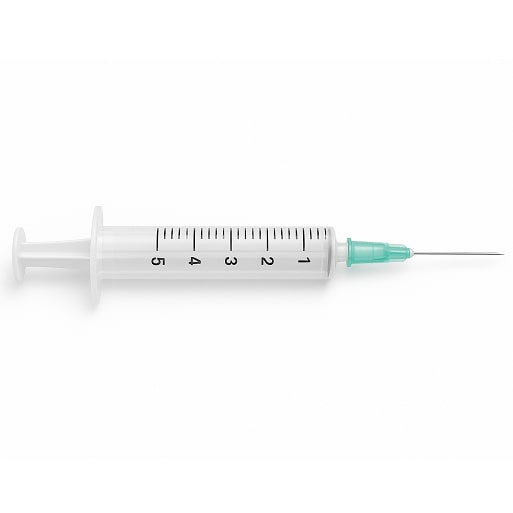
Syringes
Graduated tools for precise injection of drugs or fluids into veins, muscles, or subcutaneous tissue. Available in 1-50 ml capacities for various applications.
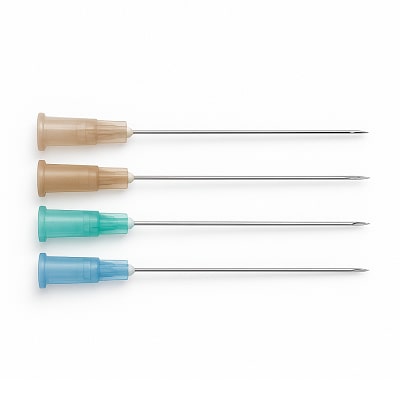
Needles
Ranging from 18 to 30 gauge, used for different injection types (IV, IM, SC). Safety needles with protective mechanisms reduce needlestick risks.
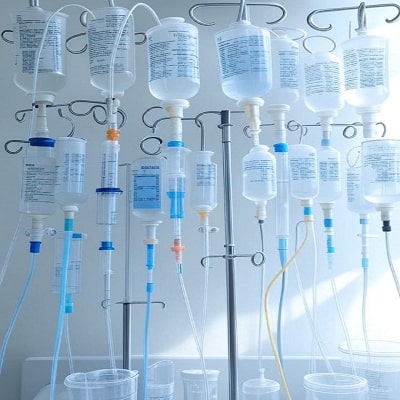
Infusion Sets (IV Sets)
Sterile tubing with filters and flow regulators to deliver fluids (e.g., saline) from IV bags to veins. Includes macro (10-20 drops/ml) or micro (60 drops/ml) drip chambers.
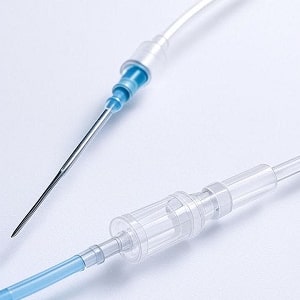
IV Catheters
Thin tubes for prolonged venous access, ideal for continuous IV therapy or chemotherapy.
Alcohol Pads
Used to sterilize skin before injection, minimizing infection risks.
The process involves sterilizing the skin, selecting appropriate supplies, performing the injection, and monitoring for complications.
Benefits of Injection Supplies Compared to Traditional Methods
Safety needles and sterile sets minimize infection and needlestick risks.
Graduated syringes and micro drip sets ensure accurate dosing.
Ergonomic designs and soft catheters reduce pain and discomfort.
Sterile, single-use supplies eliminate sterilization costs and contamination risks.
Diverse sizes and types make them suitable for all age groups and injection types (IV, IM, SC).
Key Tips for Choosing the Best Injection Supplies
Select syringes and needles based on the injection type (IV, IM, SC). For example, 25-30 gauge needles are ideal for pediatric SC injections.
Ensure supplies meet ISO or CE certifications and are made from biocompatible materials (e.g., phthalate-free PVC).
Use 1-5 ml syringes for small injections and 10-50 ml for IV therapy. Choose 18-22 gauge needles for IV and 25-30 gauge for SC.
Prioritize needles with protective mechanisms and infusion sets with 0.2-micron filters to reduce infection risks.
Supplies with simple designs (e.g., smooth-piston syringes) streamline staff workflows.
Choose trusted suppliers like Azin Varedat Asia, offering high-quality products, training, and after-sales services.
Conclusion
Injection supplies, such as syringes, needles, and infusion sets, are not just simple medical tools but the key to safe and effective treatments. Selecting high-quality supplies tailored to each injection type, from IV to subcutaneous, ensures patient safety and comfort. Investing in advanced supplies and partnering with reliable suppliers is a step toward better healthcare.


