

In modern medicine, early and accurate diagnosis plays a critical role in successful treatment. Medical diagnostic and imaging equipment provide clear images of the body’s internal structures, enabling physicians to identify hidden conditions such as tumors, fractures, cardiac issues, or neurological disorders without invasive surgery. In the past, diagnosis often relied on visible symptoms or limited methods, but today, advanced technologies like CT scans, MRIs, and ultrasounds have revolutionized healthcare. This article explores the types, functionality, benefits, and key considerations for selecting the right imaging equipment to help healthcare facilities and professionals make informed choices.
How Do Medical Imaging Devices Work?
Medical imaging equipment operates based on various physical principles, each designed for specific applications. The general process involves generating signals, capturing data, and converting them into digital images. The main types include:
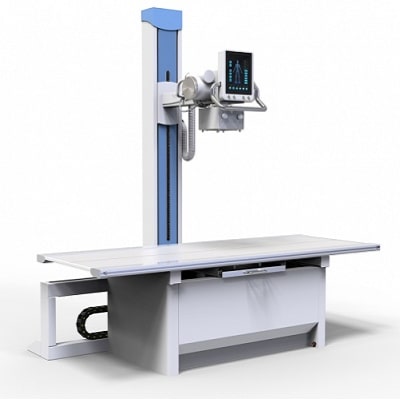
Radiography (X-ray)
Uses X-rays to produce two-dimensional images of bones and dense tissues. X-rays pass through the body and are absorbed based on tissue density, ideal for detecting fractures and lung infections.
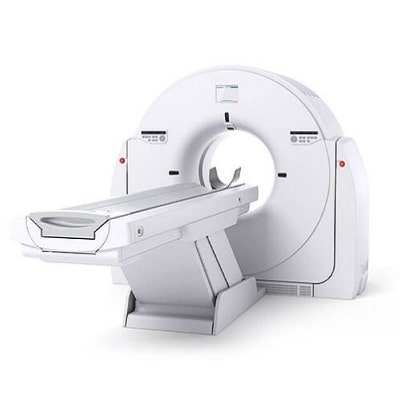
CT Scan (Computed Tomography)
An advanced form of X-ray that creates three-dimensional cross-sectional images. A rotating X-ray source captures data, processed by a computer to provide detailed views of organs like the brain or lungs.
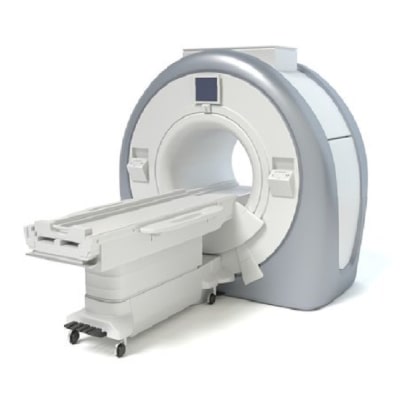
MRI (Magnetic Resonance Imaging)
Employs strong magnetic fields and radio waves to generate detailed images of soft tissues, such as the brain, muscles, and joints. It avoids ionizing radiation, making it suitable for detecting tumors and neurological damage.
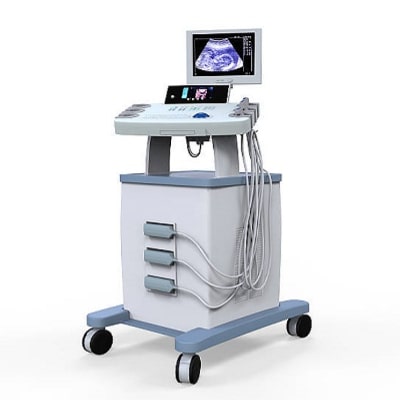
Ultrasound
Uses high-frequency sound waves to produce real-time images. Reflected waves from tissues are captured, ideal for examining fetuses, the heart, or abdominal organs.
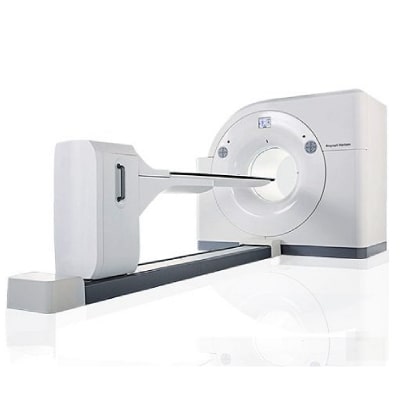
PET Scan (Positron Emission Tomography)
Involves injecting radioactive tracers to show cellular metabolic activity. It’s valuable for cancer detection and neurological disorders, often combined with CT (PET-CT).
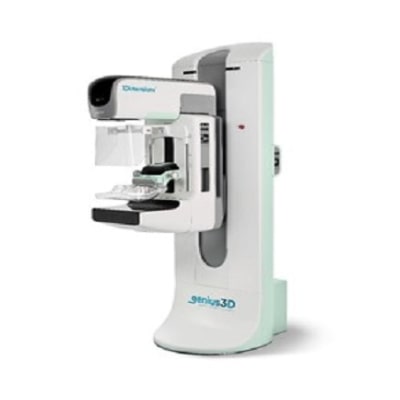
Mammography
A specialized X-ray for breast cancer screening, producing detailed images of breast tissue.
These devices, enhanced by advancements like artificial intelligence, have significantly improved diagnostic accuracy and speed.
Benefits of Imaging Equipment Compared to Traditional Methods
Precise images enable the identification of diseases in their early stages, increasing the chances of successful treatment.
Patients avoid pain and infection risks associated with surgical procedures.
Rapid results (sometimes in real-time) allow physicians to make prompt decisions.
Methods like MRI and ultrasound use no ionizing radiation, reducing health risks.
From routine screenings to treatment monitoring, these devices are essential across medical specialties.
Key Tips for Choosing the Best Equipment
Select devices offering high-resolution images, such as digital models that reduce noise and enhance accuracy.
Ensure equipment meets certifications like CE or FDA and minimizes ionizing radiation risks.
For high-traffic centers, choose devices with fast scanning and high daily capacity (e.g., 64-slice CT scanners).
Consider initial costs, repairs, spare parts, and energy consumption. Opt for cost-effective models with long-term warranties.
Look for advanced features like AI-powered image analysis, PACS integration, and user-friendly interfaces to boost efficiency.
Choose reliable suppliers like Azin Varedat Asia, offering robust after-sales services.
Conclusion
Medical diagnostic and imaging equipment are more than technical tools; they are vital partners in saving lives and enhancing patient quality of life. By selecting the right equipment, healthcare facilities can achieve more accurate diagnoses, more effective treatments, and greater patient satisfaction. Investing in advanced technology is a step toward a healthier future. Consult with experts before purchasing to ensure the best fit for your needs.


