

Injection and infusion therapy is a cornerstone of modern medical treatment, used to deliver medications, fluids, or nutrients directly into the body. Injection and infusion therapy equipment, ranging from syringes and needles to IV sets and catheters, plays a vital role in ensuring safe and effective care. These tools are critical for patients requiring hydration, chemotherapy, or essential drug administration. In the past, basic tools posed challenges in precision and safety, but today’s advanced technologies have made them more efficient and secure. This article explores the types, functionality, benefits, and key considerations for selecting the right injection and infusion equipment for healthcare facilities and professionals.
How Do Infusion Therapy Equipment Work?
Injection and infusion therapy equipment is designed to deliver fluids or medications accurately through veins, muscles, or subcutaneous tissue. Each type serves a specific purpose, with the general process including:
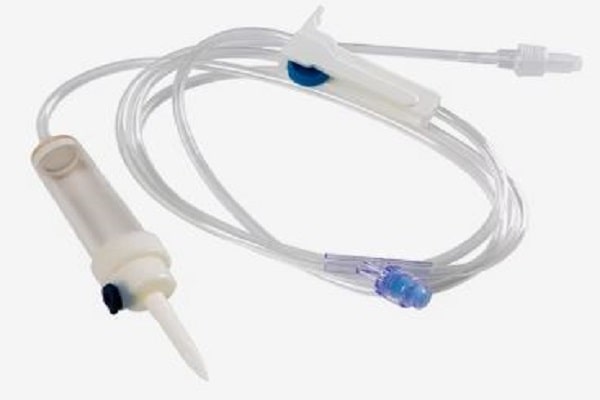
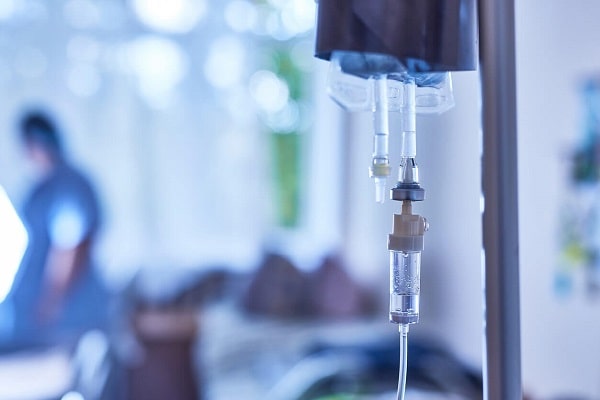

Standard Infusion
Administration of basic fluids such as saline or dextrose using infusion sets equipped with a drip chamber and flow regulator. Used for hydration or general medication delivery.
Medication Infusion
Delivery of specific drugs such as antibiotics, chemotherapy, or anesthetics with precision pumps to control dosage.
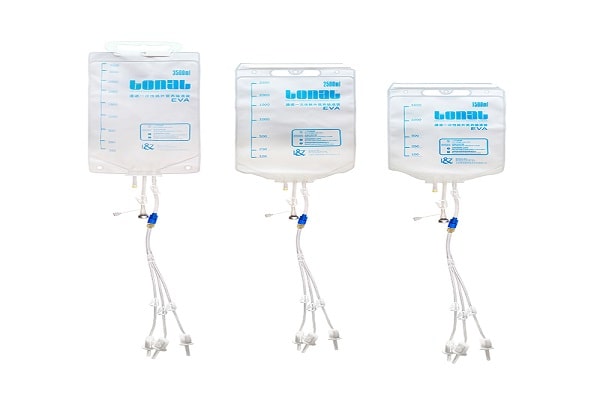
Parenteral Nutrition
Administration of nutrients (glucose, amino acids, lipids) to patients who are unable to feed orally.
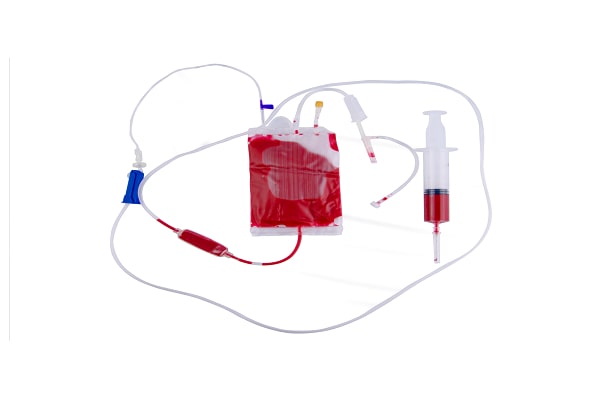
Blood Transfusion
Transfer of blood or blood products (plasma, platelets) using specialized sets equipped with anti-clot filters.
Home Infusion
For chronic patients (such as those with diabetes or rheumatic diseases) using portable pumps and simple sets for home use.
These tools, enhanced by innovations like safety sensors and needle-free connectors, improve accuracy and safety.
Benefits of Infusion Therapy Equipment Compared to Traditional Methods
Graduated syringes and infusion pumps ensure precise medication delivery, minimizing dosing errors.
Safety needles and sterile sets reduce infection and needlestick risks.
Soft, flexible catheters and needle-free designs decrease pain and discomfort.
IV sets and infusion pumps are ideal for prolonged therapies like chemotherapy or hydration.
A wide range of sizes and types makes them suitable for all age groups, from infants to the elderly.
Key Tips for Choosing the Best Equipment
Ensure equipment meets international certifications like ISO or CE and is made from biocompatible materials.
Select syringes and needles based on injection type (intravenous, intramuscular) and patient age. For example, 25-30 gauge needles are better for children.
Prioritize infusion pumps with safety alerts (e.g., occlusion or air bubble detection) and IV sets with microbial filters.
User-friendly interfaces in pumps and ergonomic designs in syringes and catheters simplify staff workflows.
Evaluate initial and long-term costs (e.g., replacement parts or pump calibration). Opt for equipment with extended warranties.
Choose trusted suppliers like Azin Varedat Asia, offering robust after-sales services, training, and spare parts.
Conclusion
Injection and infusion therapy equipment forms the backbone of modern medical treatments, enhancing patient outcomes with precision and safety. Selecting high-quality tools and using them correctly not only improves treatment efficacy but also builds trust among patients and healthcare providers. Investing in advanced equipment and partnering with reliable suppliers is a step toward better healthcare.


